Home / Cars that won't start
Won't start, won't move
Non-running car removal in Aldergrove
Dead engine, slipping transmission, or a car that hasn't turned over since the last cold snap. It doesn't need to run for us to take it.
- Dead engines and gearboxes
- Stuck in park, no keys, flat tires
- Open every day, 8am to 8pm
Rather call or text? 604-337-2232
- Based at26909 Alder Dr, Aldergrove
- Calls and texts604-337-2232
- OpenEvery day, 8am to 8pm
- We takeCars, trucks, vans and SUVs
Why cars stop running
Non-running car removal covers everything from a flat battery to an engine that's let go. These are the causes we hear about most.
- 1BtDead battery
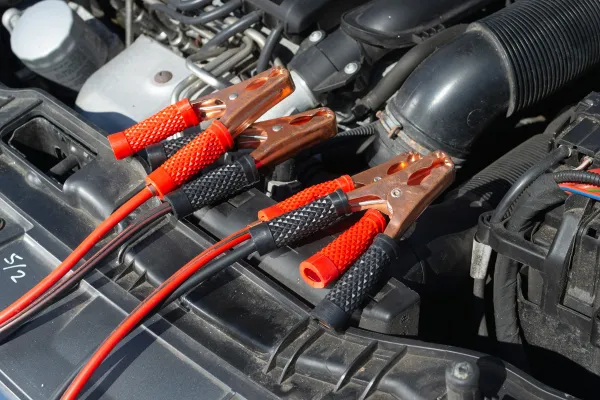
Sometimes that's all it is. Try a boost before you give up on it.
- 2EnEngine failure
Snapped timing belts, spun bearings, blown head gaskets.
- 3TxTransmission
Slipping, no reverse, or it won't go into gear at all.
- 4ElElectrical faults
Chewed wiring, dead computers, shorted harnesses.
- 5SzSeized from sitting
Stuck brakes, stale fuel and an engine that won't turn.
- 6CrCracked by the cold
A split block or head after a freeze with weak coolant.
Before you call it dead
We'd rather you didn't scrap a car that only needed a battery. A few quick checks are worth doing first:
- Boost it. A car that clicks but won't crank is often just a flat battery, especially after a few cold nights.
- Check the fuel. Gauges fail. A splash of fresh gas rules out the simplest problem.
- Watch the dash. A flashing security light can mean the key chip isn't being read. A spare key might fix it.
- Get a diagnosis. If a shop says the repair costs more than the car is worth, that's your answer.
Tell us how it sits
A car that won't move needs a little more planning. These details help most:
- Stuck in park, or the steering locked without a key
- Parking brake seized on
- Flat tires, or wheels missing
- Up on blocks or a jack
- Inside a garage, carport or shed
- Nose-in against a fence or another car
Car hasn't started in weeks? Call or text us any day between 8am and 8pm and we'll sort out a pickup.
Call 604-337-2232Non-running cars: what to know
A car that won't go is still a car you can sell. Here's what changes, and what doesn't.
01Fix it or scrap it?
Compare the repair estimate with what the car would sell for once it's running. On an older car, a replacement engine or transmission often costs more than the whole car is worth.
If the fix is small, like a battery, a starter or an alternator, repairing it and selling privately may leave you better off. If you're not sure what's wrong, a diagnosis from a local shop is money well spent before you decide.
02No keys and locked steering
Lost keys don't stop a sale. The registration and photo ID prove the car is yours, and that's what matters.
Without a key, though, the steering may be locked and an automatic may be stuck in park. The car can still be winched on, but the driver needs to know ahead of time so they can line the truck up straight and bring what they need.
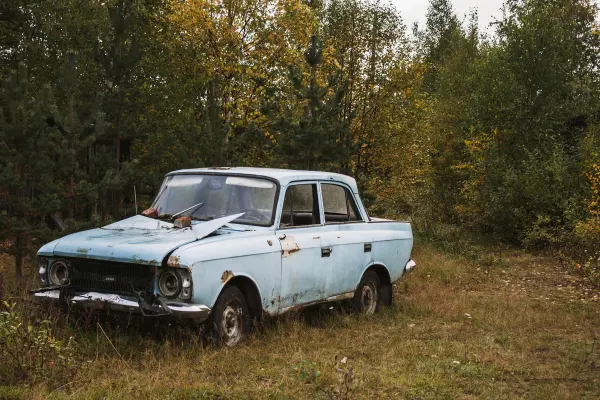
03Cars that have sat for years
Parked cars decay in a predictable way. Fuel goes stale, brake calipers seize, tires crack and flatten, and the battery dies for good.
On rural lots around Aldergrove, mice and rats often move in, nesting in the air box and chewing through wiring. Don't try to start a car that has a nest under the hood. Just tell us how long it's been sitting and leave it as it is.
04No more AirCare
BC ended AirCare emissions testing at the end of 2014, so older cars in the Lower Mainland no longer get retired for failing a test.
These days a car usually stops for good because of one big repair bill: an engine, a transmission, or rust that's reached the structure. If that's where you are, a scrap sale turns a dead car back into money and clears the driveway.
05Cold snaps and cracked blocks
The Fraser Valley doesn't get many hard freezes, but outflow winds can push temperatures well below zero for days at a time. A car with weak coolant, or plain water in the radiator, can crack its block or head.
Signs include coolant mixed into the oil, white smoke and overheating that won't go away. A car that froze this badly is usually a scrap car.
06Getting it out of a garage or carport
A non-running car inside a garage has to come out to where the truck can reach it. Tell us whether it's nose-in or backed in, how far it sits from the door and how much room there is on each side.
A winch can usually pull a car a short distance on a flat driveway. A steep or curved driveway may mean rolling the car closer first.
07The paperwork is the same
A dead car sells exactly like a running one. Have the registration and photo ID ready, take the plates off, get paid, and then sign the Transfer/Tax Form.
If the registration is lost or the owner has passed away, read our guide to the papers you need in BC before booking, so the pickup doesn't stall.
Non-running car questions
Do you take cars that don't run?
Yes. Cars that won't start or won't move are a big part of scrap car removal. Dead engines, failed transmissions and cars that have sat for years are all fine, because the car is winched onto the deck rather than driven on.
Can you take it without the keys?
Yes, as long as the registered owner can show the registration and photo ID. Tell us if the car is stuck in park or the steering wheel is locked, so the driver knows what to expect when lining it up on the deck.
Is a car that doesn't run worth less?
Not always. For a car that's going to be recycled, its weight and whether the parts are all there matter more than whether it starts. A running car can be worth more to a private buyer, though, so that's worth checking first.
My car has been sitting for five years. Is that a problem?
No. Flat tires, stuck brakes, moss and stale fuel are normal on a car that's been parked that long. What matters is that a truck can get close enough to winch it and that the registered owner is there to sign.
Should I fix it before I sell it?
Only if the repair is small. A new battery, starter or alternator on an otherwise healthy car can make it worth more to a private buyer. For a failed engine or transmission on an older car, the repair usually costs more than the car is worth.
Do you buy cars with a blown engine?
Yes. A blown engine, a cracked block or a seized motor still leaves a car full of steel and other reusable parts. Tell us what happened when you book, and we'll account for it in the number.
What if the car is inside a garage?
Tell us how far in it is and how much room there is around it. If the truck can line up with the door, a winch can usually draw it out. If the driveway is steep or tight, the car may need to be rolled closer first.
Related pages
- HmScrap car removal in AldergroveHow a pickup goes and what we pay for.
- WrWrecked and crashed carsCrash, fire and flood damage.
- TvTrucks, SUVs and vansDead pickups and vans, farm trucks included.
- PpPapers you need in BCWhat to have ready on pickup day.
- ArWhere we pick upNeighbourhoods, roads and access notes.
Car won't start and won't be fixed?
Send the year, make and model with where it's parked, or just call. We're open every day from 8am to 8pm.